
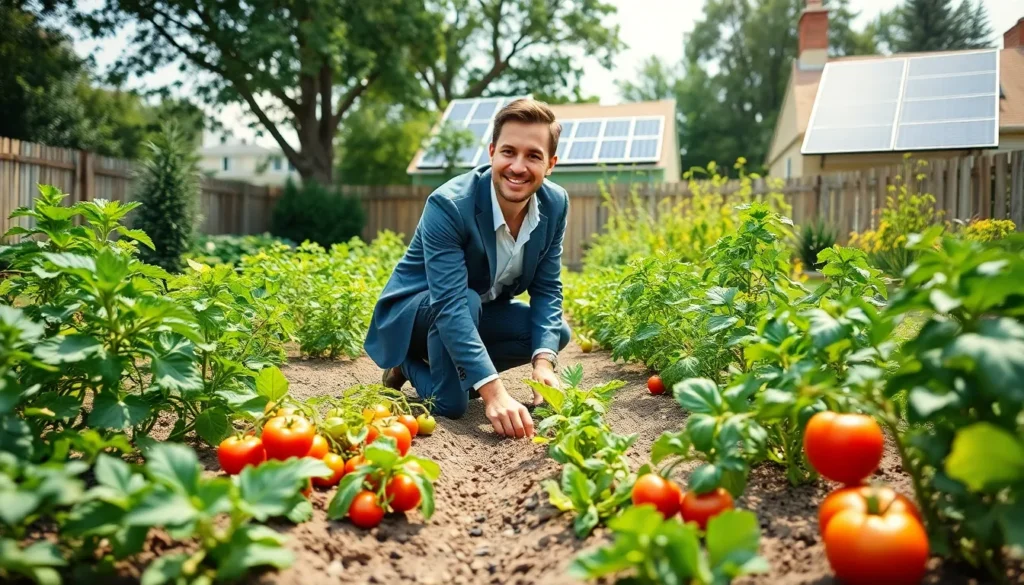
Imagine waking up to a world where your lifestyle leaves no footprints and your garden is plentiful enough to make grocery shopping feel like a vacation. Self sustainable living isn’t just a trend: it’s a way to connect with nature, empower communities, and perhaps even sneak in a few extra laughs while saving some cash. Striving for sustainability means less reliance on the grid and more grassroots initiative. Not to mention, who doesn’t want to impress friends with their homegrown vegetables? Let’s explore how this lifestyle can transform not just your home, but your entire outlook on life.
Understanding Self Sustainable Living
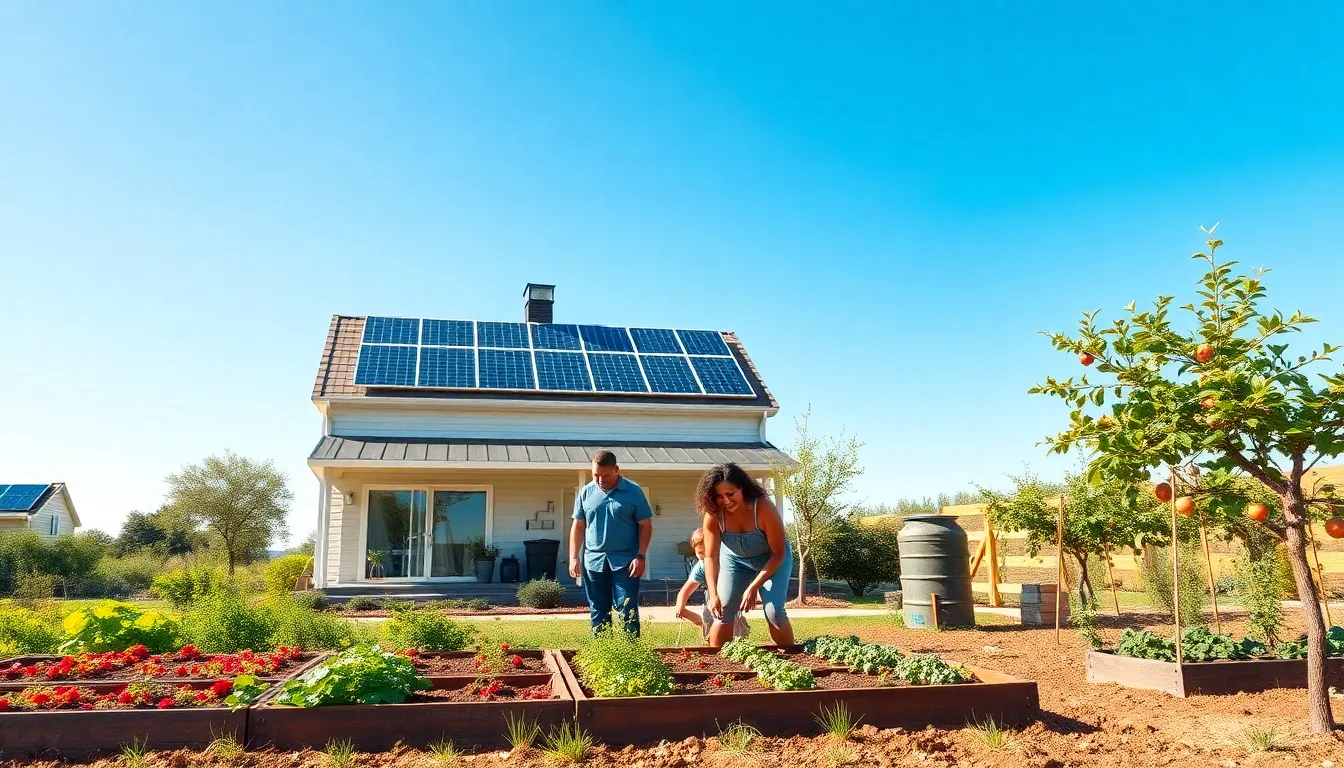
Self sustainable living is all about creating a lifestyle that reduces dependence on external resources. It involves producing your own food, recycling materials, harnessing renewable energy, and generally minimizing your ecological footprint. By adopting these practices, individuals and families can live in harmony with nature, enriching their quality of life while ensuring the well-being of the planet. Imagine relying less on grocery stores and energy companies. This concept isn’t new, but it has gained incredible traction as awareness of environmental issues has soared. Think of self sustainable living as a blend of innovation and tradition, where ancient practices meet modern technology to create efficient solutions.
Benefits of Self Sustainable Living
The perks of self sustainable living extend beyond just saving a few bucks. First off, there’s the financial advantage. Growing your own food can significantly reduce grocery bills, allowing for a more straightforward budget. Health benefits also abound: homegrown produce tends to be fresher and free from the pesticides found in many industrial farming operations.
Let’s not forget about environmental impact. By reducing waste and conserving resources, individuals contribute positively to the planet. Feeling good about one’s choices often leads to improved mental well-being. Also, self sustainable living fosters a sense of community, encouraging like-minded individuals to share tips, tools, and successes. Who knew gardening could lead to such a thriving social network?
Key Principles of Self Sustainable Living
To embrace self sustainable living, one must understand its core principles.
Reduce, Reuse, and Recycle
This classic mantra isn’t just a catchy slogan: it’s the foundational ethos of sustainability. Minimizing waste starts with being mindful of consumption.
Grow Your Own Food
Having a vegetable garden isn’t just romantic: it’s practical. Home gardening maximizes health benefits and reduces reliance on commercial farming.
Use Renewable Resources
Harnessing the power of the sun or wind can be quite liberating. Solar panels and small wind turbines can provide significant power, leading to energy independence.
Water Conservation
Using rainwater harvesting systems or greywater recycling can drastically reduce water waste in households. Every drop counts.
Practical Steps Towards Self Sustainable Living
Getting started on the journey towards self sustainable living may feel overwhelming, but it doesn’t have to be. Here’s a roadmap:
- Start Small: Begin with a container garden if space is limited. Herbs and tomatoes yield great rewards without demanding a farm.
- Educate Yourself: Attend workshops or read books on permaculture or organic gardening to boost your skills.
- Install Energy Solutions: Research solar panels or other renewable energy options suited for your home.
- Reduce Waste: Use reusable bags, containers, and cloth instead of disposables to limit waste.
- Network with Others: Join local groups focused on sustainability. Sharing resources can amplify your success.
- Experiment and Adapt: Allow yourself to learn through trial and error. What works for one person might not suit another.
Challenges of Self Sustainable Living
Embarking on this eco-friendly path isn’t without its obstacles.
- Initial Costs: Setting up a garden, buying solar panels, or investing in energy-efficient appliances can require a significant upfront investment.
- Knowledge and Skill Gaps: Not everyone is born with a green thumb. Learning agricultural skills or renewable energy management takes time.
- Pests and Weather: Unexpected challenges like insect infestations or harsh weather can threaten garden produce.
- Social Pressure: Society can sometimes view sustainable choices as unconventional. Sticking to one’s guns might feel lonely at times.
Future of Self Sustainable Living
The future of self sustainable living appears promising, particularly as more people become aware of climate change and its effects. Innovations in technology, such as vertical farming and aquaponics, are revolutionizing how people approach agriculture, even in urban spaces. Also, a growing number of individuals and communities are advocating for policies that support sustainable practices, creating a ripple effect.
As awareness continues to rise, it’s clear that self sustainable living isn’t just a niche lifestyle anymore. It’s becoming a mainstream movement, with a focus on improving the quality of life for individuals while nurturing the planet. Exciting developments in renewable energy are paving the way for a greener tomorrow, ensuring sustainability is within reach for all.


