
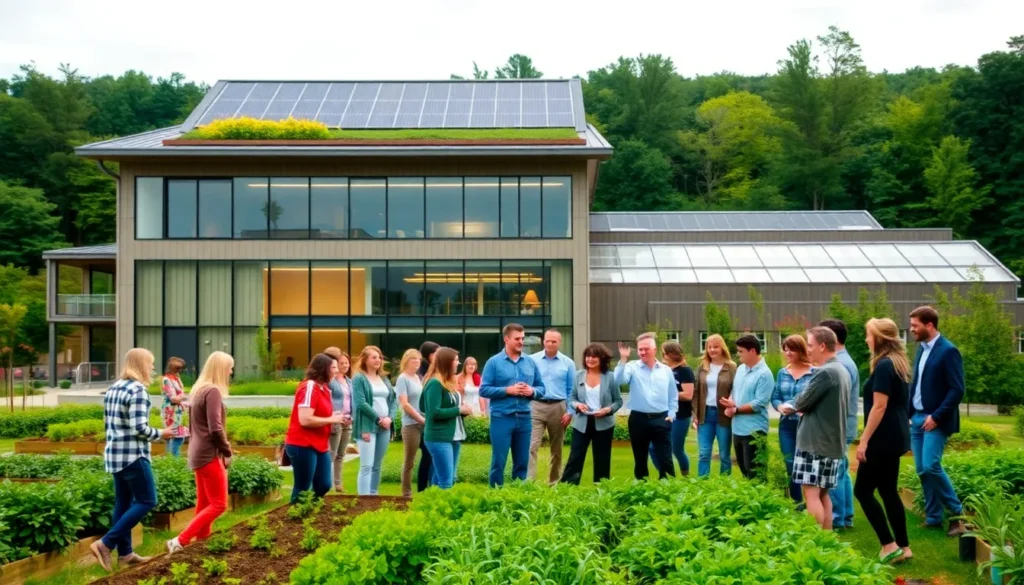
In a world facing escalating environmental challenges, the Omega Center for Sustainable Living emerges as a beacon of hope and inspiration. Picture a place where eco-conscious living isn’t just a trend: it’s a lifestyle. Established with a vision to promote sustainability, this center encapsulates the essence of green living through practical implementation and community-driven initiatives. It’s not just about saving the planet: it’s about creating a better future, one workshop at a time, and laughing a little along the way. After all, who said sustainability couldn’t be fun?
Overview Of The Omega Center
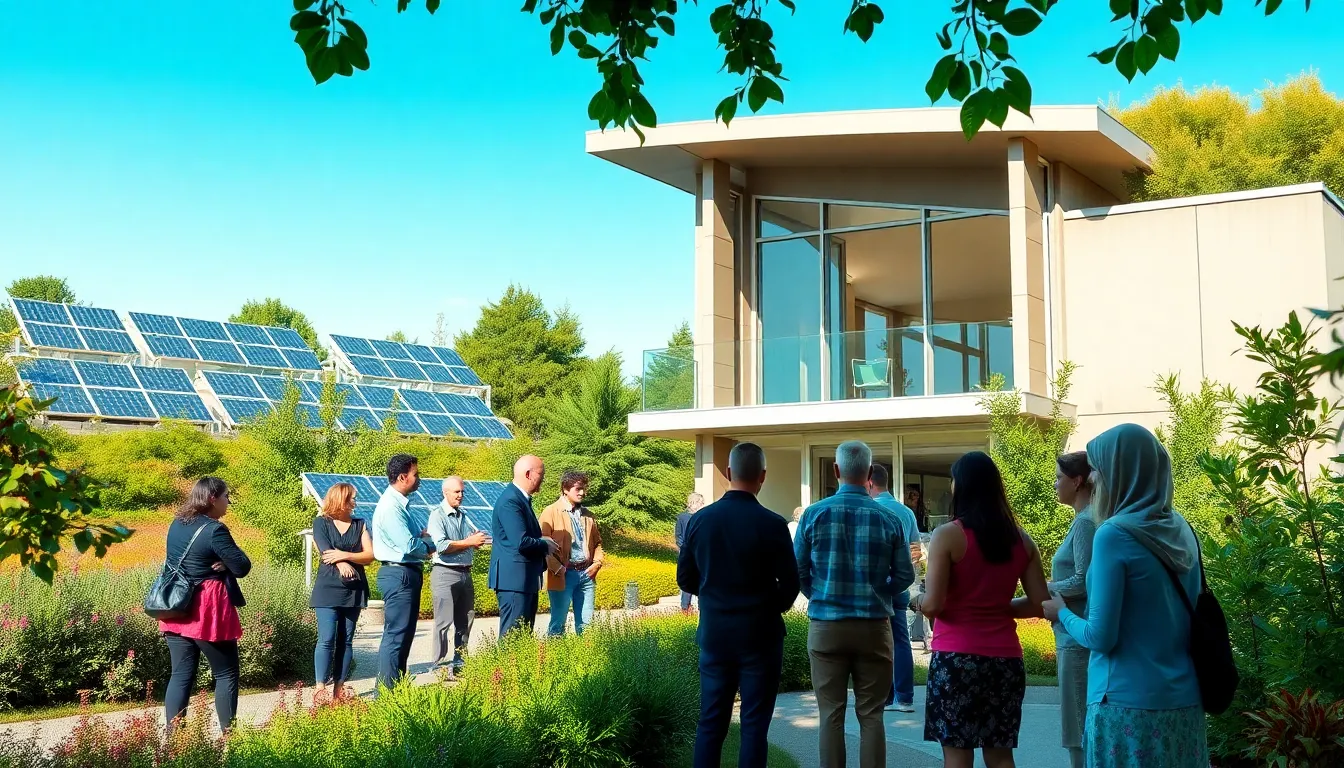
The Omega Center for Sustainable Living, nestled in the heart of Rhinebeck, New York, represents a testament to sustainable development. It’s not merely a building: it’s a philosophy brought to life. Established in 2009, the center stands as a model for responsible development that seamlessly blends education, environmental stewardship, and community involvement. Designed with a LEED Platinum certification, it showcases the best in building sustainability through innovative architectural design that includes solar panels, green roofs, and a natural filtration system for stormwater.
Visitors often describe the center as a sanctuary where one can recharge both mentally and spiritually while engaging in eco-friendly practices. With a mission rooted in understanding our interconnectedness with nature, the Omega Center offers individuals a chance to immerse themselves in a lifestyle that not only aims to reduce their carbon footprints but also enhances their overall well-being.
Sustainable Practices Implemented
Sustainability at the Omega Center is not just theoretical: it is embedded in every aspect of its operations. From the outset, the center adopted numerous sustainable practices that resonate with its mission. For instance, it employs energy-efficient systems that reduce energy consumption without sacrificing comfort. LED lighting punctuates the interiors, using fewer resources while illuminating spaces cheerfully.
Water conservation practices are also a priority. Rainwater harvesting systems help irrigation, while composting toilets and irrigation systems minimize waste. Beyond the physical structures, the center integrates organic gardening practices, encouraging participants to reconnect with nature and understand the importance of locally sourced food.
Also, through partnerships with local farmers, the Omega Center promotes a farm-to-table philosophy that not only supports the community but also educates guests about sustainable agriculture.
Educational Programs And Workshops
Education at the Omega Center extends far beyond its walls. The center offers a variety of educational programs tailored to different audiences, from families to seasoned environmentalists. Workshops on topics such as permaculture, renewable energy, and ecological design empower individuals with tools they can use in their everyday lives.
Each program is designed to foster a deeper understanding of sustainability principles. The center also hosts retreats focused on personal well-being intertwined with ecological responsibility. Participants often leave feeling rejuvenated and informed, equipped with knowledge to lead more sustainable lives.
Special events, such as sustainability fairs and community cleanups, reinforce the educational experience, bringing people together from various backgrounds to learn and engage in practical eco-friendly activities.
The Importance Of Community Engagement
Community engagement forms the backbone of the Omega Center’s mission. Involving the local community isn’t just a task: it’s woven into the very fabric of what the center stands for. Through collaborative projects and engagement initiatives, the center fosters relationships that empower residents to take an active role in sustainability.
Programs like the Community Supported Agriculture (CSA) and local art projects not only support local economies but also encourage a sense of ownership. When individuals see their efforts yielding tangible results, it inspires further participation. The center thrives on this collaboration, often inviting locals to help shape programs that impact them directly, thereby reinforcing the idea that sustainable living is a collective effort.
Environmental Impact And Contributions
The environmental impact of the Omega Center extends beyond its immediate location. Through its innovative practices and community outreach, the center has contributed significantly to raising awareness about environmental issues locally and nationally. By serving as a model for sustainable practices, it has inspired other institutions to adopt similar methodologies.
Studies have shown that centers like Omega can play an essential role in mitigating climate change by reducing overall resource consumption. By hosting events and programs that educate both participants and the public about global sustainability challenges, it raises consciousness and drives action across various demographics.
Besides, the center’s initiatives have led to a measurable decrease in waste generation, energy consumption, and overall environmental footprint within the local community, showcasing that small, consistent efforts can lead to significant changes.
Future Goals And Initiatives
Looking ahead, the Omega Center for Sustainable Living has set ambitious goals to further enhance its impact. Plans to expand the educational curriculum are underway, incorporating more advanced topics like climate resilience and wildlife conservation. By continuously evolving its programs, the center aims to keep pace with the changing environmental landscape.
The center also envisions growing partnerships with other organizations focused on sustainability, creating a network of eco-conscious entities. Such collaborations will not only broaden its reach, but they will also foster resource sharing, leading to more significant collective impact.
Also, the center is exploring the potential of becoming a research hub for sustainable living, allowing visitors to contribute while gaining insights into practical applications of eco-friendly practices.


