
Table of Contents
ToggleIn a world where food waste piles up faster than laundry, kitchen composting emerges as the superhero we didn’t know we needed. Imagine turning those banana peels and coffee grounds into nutrient-rich gold for your garden, all while giving Mother Earth a well-deserved high-five. It’s not just eco-friendly; it’s like giving your kitchen a second chance at life, minus the dramatic music.
But wait! Before you toss your scraps into a bin and call it composting, there’s a science to it. Fear not, for this guide will unravel the mysteries of kitchen composting, making it as easy as pie—without the guilt of a calorie count. Get ready to dive into a world where waste transforms into wonder, and your kitchen becomes the envy of every environmentally conscious neighbor.
Understanding Kitchen Composting
Kitchen composting transforms organic waste into nutrient-rich compost. This process not only reduces waste but also supports a sustainable gardening practice.
What Is Kitchen Composting?
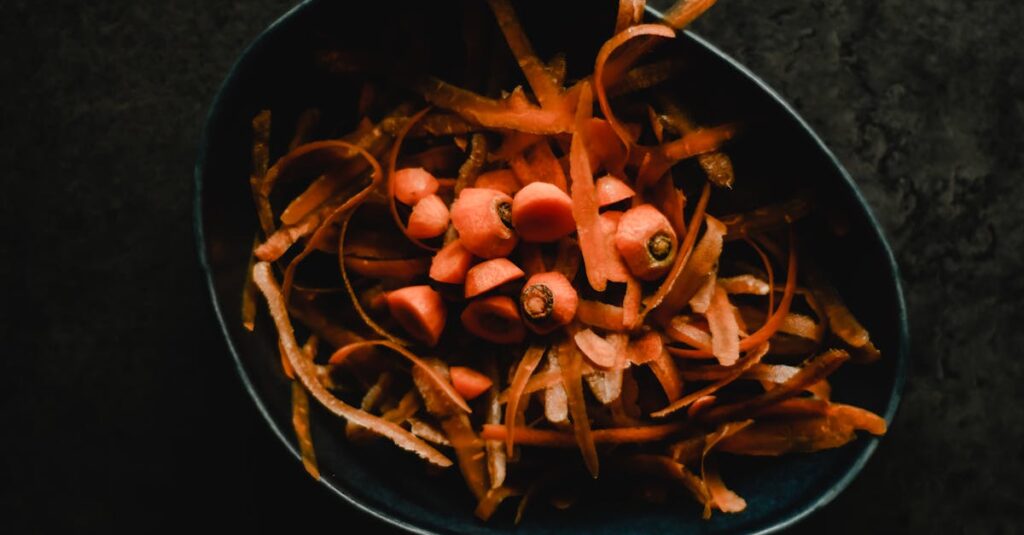
Kitchen composting involves collecting organic kitchen scraps for decomposition. Food waste like vegetable peels, fruit cores, and coffee grounds serves as ideal material. Microorganisms break down these scraps, turning them into compost within weeks to months. Individuals can use various containers or bins to facilitate this process at home. Proper management of moisture and aeration enhances decomposition rates. Composting in the kitchen simplifies the recycling of organic materials, reducing landfill contributions.
Benefits of Kitchen Composting
Kitchen composting offers numerous advantages. It lowers landfill waste significantly, decreasing methane emissions generated from organic materials. Composting enriches soil, providing essential nutrients for plants. Healthy soil leads to better crop yields and reduces the need for chemical fertilizers. Cost savings emerge from fewer grocery expenses since compost improves home-grown produce. Additionally, composting fosters environmental consciousness, encouraging sustainable practices within households. Embracing this method nurtures a healthier ecosystem and promotes responsible waste management.
Starting Your Kitchen Compost
Starting kitchen compost is straightforward and rewarding. With just a little preparation, anyone can reduce waste and enrich their garden soil.
Choosing the Right Container
A suitable container is crucial for successful composting. Stainless steel bins, plastic bins, or compost tumblers offer practicality and ease of use. Stainless steel bins contain odors well and are easy to clean. Plastic bins are lightweight, cost-effective, and suitable for indoor use. Compost tumblers make it simple to mix materials, encouraging faster decomposition. Whichever option selected, ensure it has adequate ventilation to support airflow, which facilitates efficient composting.
What to Compost and What Not to Compost
Understanding what to compost leads to healthier results. Organic scraps like fruit and vegetable peels, coffee grounds, and eggshells break down effectively. Some food scraps, such as bread and grains, can also be composted in moderation. Avoid composting meat, dairy products, and oils, as these attract pests and produce unpleasant odors. Additionally, steer clear of non-biodegradable items like plastic and glass, which hinder the composting process. Balancing “greens” (nitrogen-rich materials) with “browns” (carbon-rich materials) improves overall compost quality.
Maintaining Your Compost Bin
Maintaining a compost bin requires attention and care for optimal results. Ensuring the right balance of materials is crucial for effective decomposition.
Keeping the Right Balance
Nitrogen and carbon levels play a vital role in compost quality. One-third of organic materials should consist of nitrogen-rich “greens,” like vegetable scraps and coffee grounds. Two-thirds of the materials should include carbon-rich “browns,” such as dried leaves and cardboard. Regularly mixing these layers aids aeration, promoting decomposition. Checking moisture levels is important; the compost should feel like a damp sponge, not soggy. Adjustments might be necessary, adding water or dry materials as needed. Following these guidelines helps create nutrient-rich compost efficiently.
Troubleshooting Common Issues
Identifying issues in a compost bin can prevent setbacks. Foul odors often indicate an imbalance, possibly from excess moisture or nitrogen. Aerating the compost by turning it can help reduce odors. Pests may appear if animal products or greasy foods get added, so avoiding these materials is essential. Additionally, slow decomposition can result from inadequate moisture or insufficient aeration. To troubleshoot, increase airflow by turning the pile more frequently and ensuring optimal moisture levels. Promptly addressing these concerns ensures a successful composting experience.
Using Finished Compost
Finished compost serves multiple purposes in gardening. It enriches soil, promotes healthy plant growth, and improves moisture retention.
How to Use Compost in Your Garden
Apply compost as a top dressing around plants to provide nutrients directly to the soil. Blend compost with potting soil to enhance its fertility for container gardens. Incorporate it into garden beds before planting to optimize soil structure and fertility. Mix compost into the planting holes for new seedlings to give them a nutrient boost. Consider using compost in vegetable gardens to increase crop yields and create robust produce.
Tips for Storing Compost
Store finished compost in a dry, sheltered area to prevent nutrient loss. Use airtight containers to keep moisture levels stable and inhibit unwanted odors. Rotate compost bins regularly to ensure even curing and accessibility. Monitor the compost for any signs of pests or mold during storage. Organize compost piles in layers to maintain airflow and reduce compaction within the bin.
Embracing kitchen composting not only minimizes food waste but also enriches the garden and promotes sustainable living. By transforming everyday scraps into nutrient-rich compost, individuals can contribute to a healthier environment and enhance their gardening efforts.
With simple practices like balancing greens and browns and maintaining proper aeration, anyone can enjoy the benefits of composting. This eco-friendly approach fosters a sense of responsibility towards waste management while offering cost savings on gardening supplies.
As more people adopt kitchen composting, the collective impact on reducing landfill waste and supporting healthy soil becomes significant. It’s time to take that first step and make kitchen composting a rewarding part of daily life.


