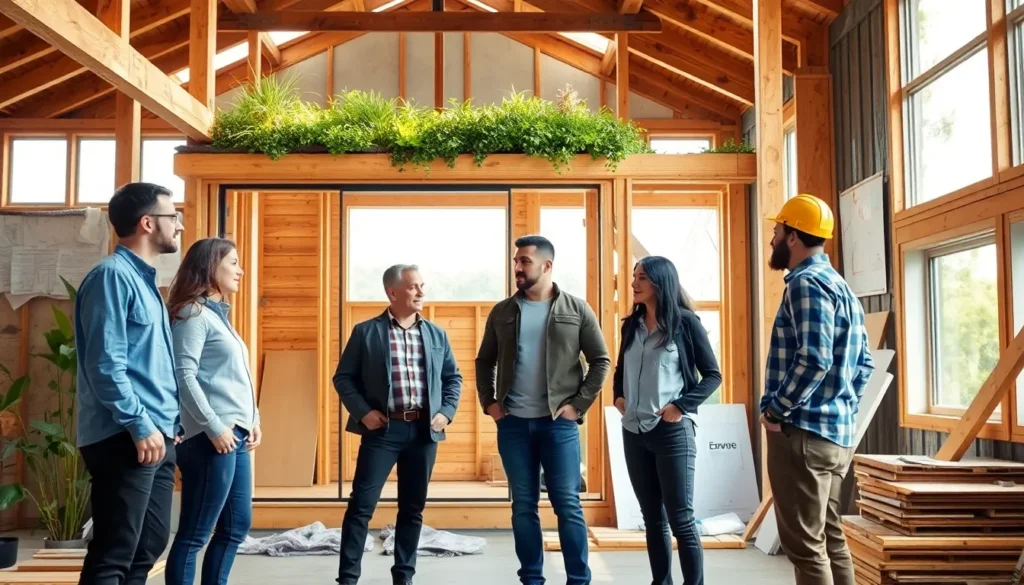
In today’s world, where climate change feels like that annoying acquaintance who just won’t leave the party, sustainable living builders have emerged as the rockstars of construction. They don’t just nail boards together: they craft eco-friendly havens that make Mother Nature want to throw a thank-you party. From using eco-conscious materials to incorporating innovative designs, the builders of sustainable living are redefining how we think about our homes and their impact on the planet. But what truly sets these builders apart? Let’s jump into the nuts and bolts of sustainable building practices and discover how these eco-warriors are paving the way for a more sustainable future.
Understanding Sustainable Building Practices
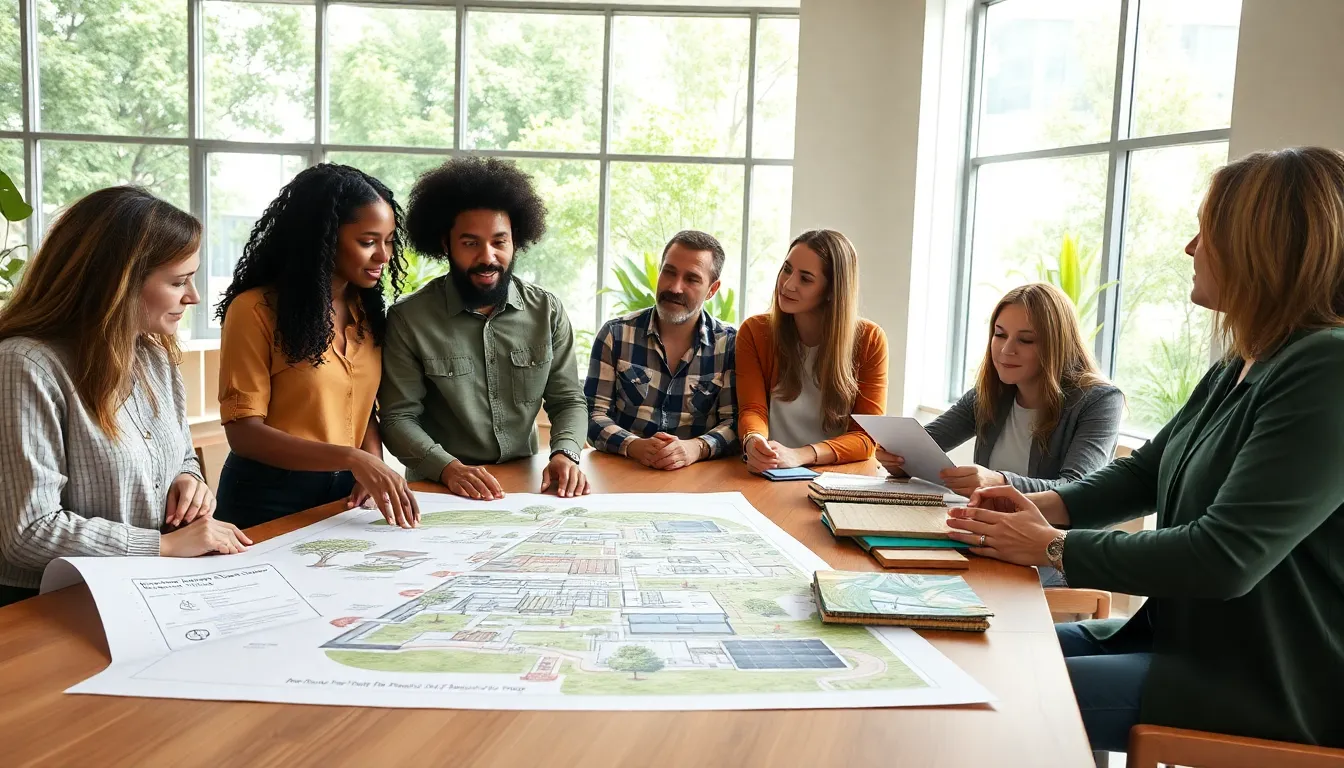
Sustainable building practices encompass a holistic approach to construction, focusing not only on the finished product but also on the overall impact on the environment. What does this mean in real terms? It implies an emphasis on materials, energy, and sustainability throughout the building’s lifecycle. Builders strive for methods that minimize waste and reduce the carbon footprint, ensuring that structures are more than just bricks and mortar.
The key principles behind sustainable building include:
- Resource Efficiency: Using materials that require fewer resources to produce and have less environmental impact.
- Waste Reduction: Implementing construction techniques that minimize waste produces during the building process.
- Longevity: Designing structures that last longer to reduce the frequency of replacements and repairs.
- Site Responsiveness: Understanding the building site’s ecosystem and using this knowledge to create spaces harmoniously integrated with the environment.
By adopting these practices, builders can create homes that not only serve their occupants but also respect and protect the planet.
Importance of Eco-Friendly Materials
When it comes to building sustainably, the materials used are a game changer. Eco-friendly materials are not just a trend: they’re essential for reducing the environmental impact of buildings. For instance, reclaimed wood reduces the need for new lumber and minimizes waste. Similarly, bamboo is a fantastic alternative, being one of the fastest-growing plants on the planet.
Consider these eco-friendly options:
- Recycled Materials: Using products made from post-consumer waste reduces landfill contributions.
- Natural Insulation: Materials like sheep wool or cellulose provide thermal benefits without the harmful chemicals found in traditional insulation.
- Low-VOC Paints: Volatile organic compounds can harm indoor air quality, so opting for low-VOC alternatives keeps homes healthier.
Selecting these sustainable materials can significantly lower the environmental footprint while creating a safe and enjoyable living space.
Innovative Design Techniques for Sustainability
Design is crucial in sustainable building, where every curve and corner can enhance efficiency. Innovative techniques have emerged, pushing the boundaries of traditional design to create spaces that are not only functional but also environmentally sound.
A few cutting-edge design techniques include:
- Passive Solar Design: This approach harnesses sunlight for heating and cooling without mechanical systems. By strategically placing windows and walls, the builders maximize natural light and thermal energy.
- Living Roofs: Green roofs are not just a pretty face. They provide insulation, absorb rainwater, and create habitats for wildlife.
- Modular Construction: Pre-fabricated modules allow for efficient assembly and less waste, speeding up the building process while maintaining quality.
These innovative techniques exemplify how sustainable builders are rethinking traditional practices, ensuring homes work with nature rather than against it.
The Role of Energy Efficiency in Sustainable Living
Energy efficiency is the backbone of sustainable living, translating to lower utility costs and a reduced carbon footprint. Builders incorporate various strategies to enhance energy performance, making homes less reliant on non-renewable energy sources.
Here are some key components of energy-efficient building:
- High-Performance Windows: Specially coated windows reduce heat loss in winter and keep homes cooler in summer.
- Energy Star-rated Appliances: These products consume less energy than standard models, delivering the same or better performance.
- Smart Home Technology: Automated systems regulate energy use, allowing homeowners to optimize energy consumption.
By prioritizing energy efficiency, sustainable builders not only contribute to a healthier lifestyle but also foster a greener planet for future generations.
Case Studies: Successful Sustainable Living Projects
Looking at real-world examples provides insight into what sustainable living looks like in action. A few notable projects highlight the diverse possibilities of environmentally friendly building:
- The Bullitt Center in Seattle: Often dubbed the ‘greenest commercial building in the world’, this structure incorporates rainwater harvesting, composting toilets, and solar panels.
- The Eco-Cottages in Oregon: These homes use reclaimed materials and are designed with energy efficiency in mind. Their success demonstrates that sustainability can be both stylish and functional.
- The One Central Park in Sydney: Featuring vertical gardens on the façade, this development integrates living walls that improve air quality and aesthetics while providing natural insulation.
These examples showcase successful sustainable projects that push the envelope on what can be achieved in eco-friendly building, reflecting the creativity and commitment of sustainable living builders.
Challenges and Solutions in Sustainable Building
While the movement toward sustainable living is gaining momentum, challenges persist. From higher initial costs to regulatory hurdles, builders face obstacles that can deter even the most passionate eco-enthusiasts.
Notable challenges include:
- Higher Upfront Costs: Sustainable materials and technologies often entail a greater initial investment. But, these expenses are mitigated over time through reduced energy costs.
- Lack of Awareness: Homeowners sometimes lack knowledge about sustainable building options. By providing education and resources, builders can spread awareness and promote the benefits of eco-building.
- Regulatory Issues: Navigating building codes and regulations can be complex. Builders can collaborate with local governments to advocate for incentives and smoother processes.
By identifying and addressing these challenges, sustainable builders can continue to pave the way for greener construction practices.
Future Trends in Sustainable Living Construction
The future of sustainable living construction looks promising, driven by innovation and a growing recognition of our planet’s needs. As society becomes more conscious of environmental issues, builders are embracing trends that focus on sustainability:
- Circular Economy Principles: Builders are increasingly adopting circular economy practices, where waste is designed out of the system, and materials are reused and recycled.
- Smart Materials: The development of responsive materials that adapt to environmental changes holds great potential. These materials could revolutionize how we construct and maintain buildings.
- Community-Centric Designs: Fostering community-oriented spaces that encourage social interaction and sustainability are becoming a priority in urban planning.
These trends will not only transform the construction landscape but also encourage collective responsibility towards our planet.