Imagine living in a neighborhood where the grass is greener, not just because someone mows it, but because everyone cares for it. Welcome to sustainable living communities. These are not just eco-havens for tree-huggers: they embody an innovative and collaborative lifestyle that’s as good for the earth as it is for its inhabitants. Ready to jump into this enlightening world? Buckle up, because we’re about to embark on a journey through sustainability that’s both enriching and, let’s admit, pretty cool.
What Are Sustainable Living Communities?
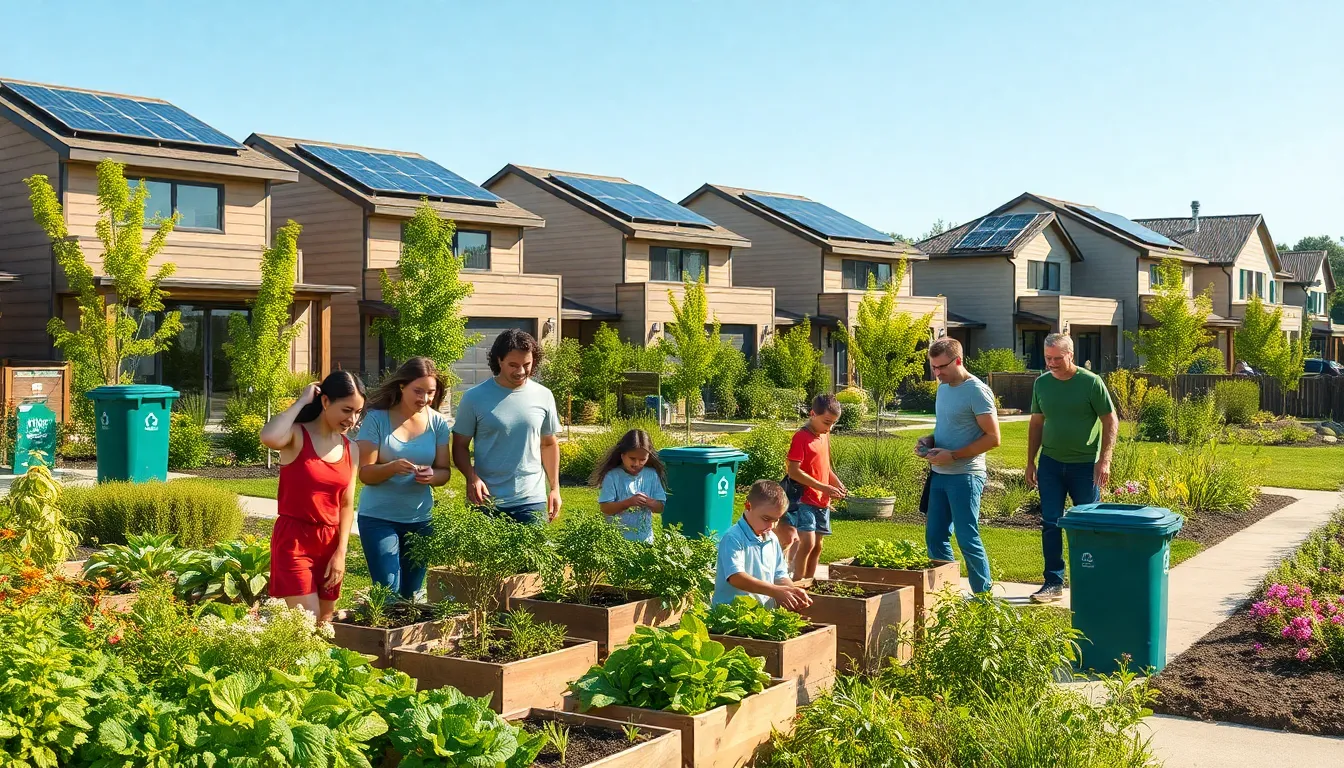
Sustainable living communities are intentionally designed neighborhoods that prioritize environmental health, social equity, and economic viability. They typically feature homes built with sustainable materials, renewable energy sources, and a commitment to reducing waste. Picture a community where recycling is as commonplace as a morning cup of coffee, and local gardens flourish as residents come together to cultivate food and friendships. These communities aim to lessen their ecological footprint while fostering a tight-knit society inspired by shared values and goals.
Key Characteristics of Sustainable Living Communities
Sustainable living communities can have several distinct features, each contributing to their unique charm and effectiveness. Here’s what to look for:
1. Eco-Friendly Design
Homes are often built from sustainable, recycled, or low-impact materials, focusing on energy efficiency and reducing carbon footprints.
2. Renewable Energy Sources
Such neighborhoods often employ solar panels, wind turbines, or other renewable energy systems to provide sustainable energy.
3. Community Involvement
Strong community engagement is essential. Residents participate in decision-making processes and a variety of communal activities, from food-sharing initiatives to work parties.
4. Local Agriculture
Many of these communities emphasize local food production through gardens, community-supported agriculture (CSA) programs, and greenhouses, promoting health and local economies.
Benefits of Joining a Sustainable Living Community
Choosing to reside in a sustainable living community can transform one’s lifestyle in several positive ways. Here are the benefits:
1. Enhanced Quality of Life
Residents often report higher satisfaction levels as they participate in a socially engaging and environmentally friendly atmosphere.
2. Cost Savings
With energy-efficient homes and renewable energy sources, utility costs tend to decrease significantly. Plus, shared resources can lead to lower expenses.
3. Stronger Community Bonds
Living amongst like-minded individuals fosters friendship, collaboration, and mutual support that can enhance one’s social life and sense of belonging.
4. Environmental Impact
These communities typically have a far smaller ecological footprint, which contributes positively to the health of the planet.
Examples of Successful Sustainable Living Communities
Across the globe, numerous successful sustainable living communities stand as proof that this lifestyle works.
1. EcoVillage in Ithaca, New York
This community combines ecological design with social sustainability, featuring biodynamic agriculture and shared resources.
2. The Findhorn Foundation in Scotland
Renowned for its commitment to ecological practices and spiritual growth, this community operates on principles of sustainability and harmony with nature.
3. Dancing Rabbit Ecovillage in Missouri
A thriving ecovillage focused on sustainable living, it emphasizes permaculture, cooperative economics, and a tight-knit community vibe.
Challenges in Establishing Sustainable Living Communities
While the vision of sustainable living communities is appealing, establishing them can be challenging. Here are some common hurdles:
1. Initial Costs
The upfront investment for sustainable building practices can be significant, which may deter potential residents.
2. Regulatory Hurdles
Local regulations might not support innovative sustainable designs, leading to bureaucratic roadblocks.
3. Community Dynamics
Creating harmony among diverse individuals with different backgrounds can present interpersonal challenges.
4. Long-Term Commitment
Residents need to be committed not only to their lifestyles but also to the community’s growth and maintenance.
How to Start or Join a Sustainable Living Community
Interested in diving into this lush world of collaboration and sustainability? Here are steps to either start or join a sustainable living community:
1. Research
Explore existing communities to gauge their philosophies and cultures. Understanding the landscape is crucial before diving in.
2. Connect with Like-Minded Individuals
Networking is key. Engage with groups focused on sustainability either physically or online. Attend workshops, conferences, or local events.
3. Define Your Goals
Decide what aspects of sustainable living are most important to you, energy efficiency, local agriculture, community engagement, or eco-friendly zoning.
4. Start Small
Whether creating a new community or joining one, starting with small, manageable projects can help foster momentum and build relationships.
The Future of Sustainable Living Communities
As the world increasingly grapples with climate change and resource depletion, the demand for sustainable living communities is expected to grow. Innovations in technology, including smart grids and sustainable construction methods, will likely enhance these communities’ viability. Also, the blurred lines between urban and rural landscapes can lead to new opportunities for hybrid living spaces. With a collective effort to promote sustainability, these communities can not only thrive but also lead by example, demonstrating how collaborative living can change the world.