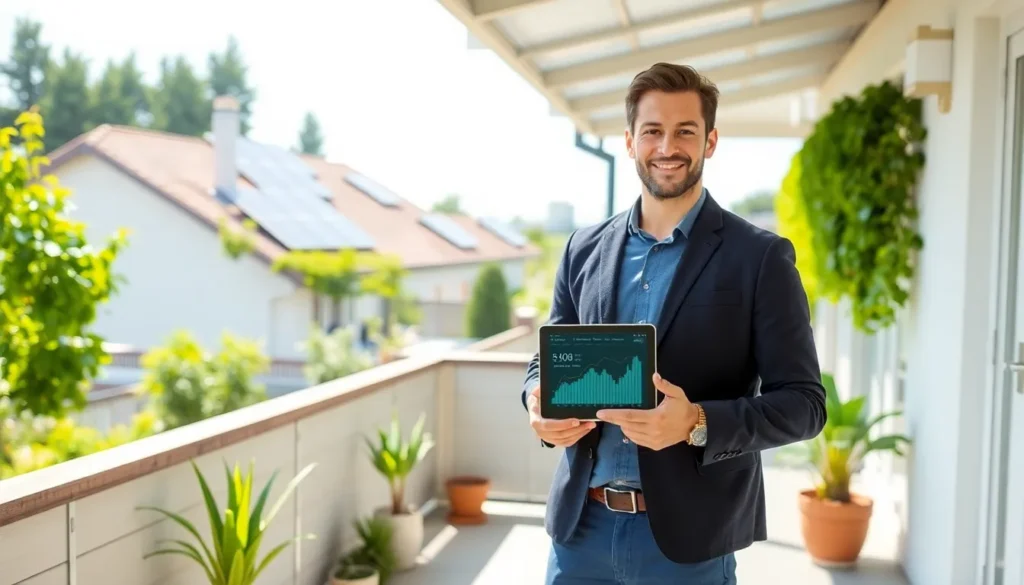
Imagine a world where every home is eco-friendly, where humans live harmoniously with nature, and where sustainability isn’t just a buzzword but a way of life. Sounds like a dream, right? Well, get ready to wake up because sustainable living innovations are not just on the horizon: they’re already here. From energy management systems that make your appliances smarter than your average bear to community initiatives that transform ordinary neighborhoods into green havens, the future of sustainable living is looking brighter, and greener. Let’s jump into the exciting world of innovative technologies and initiatives that are paving the way for a more sustainable existence.
Emerging Technologies for Sustainable Homes
Smart Energy Management Systems
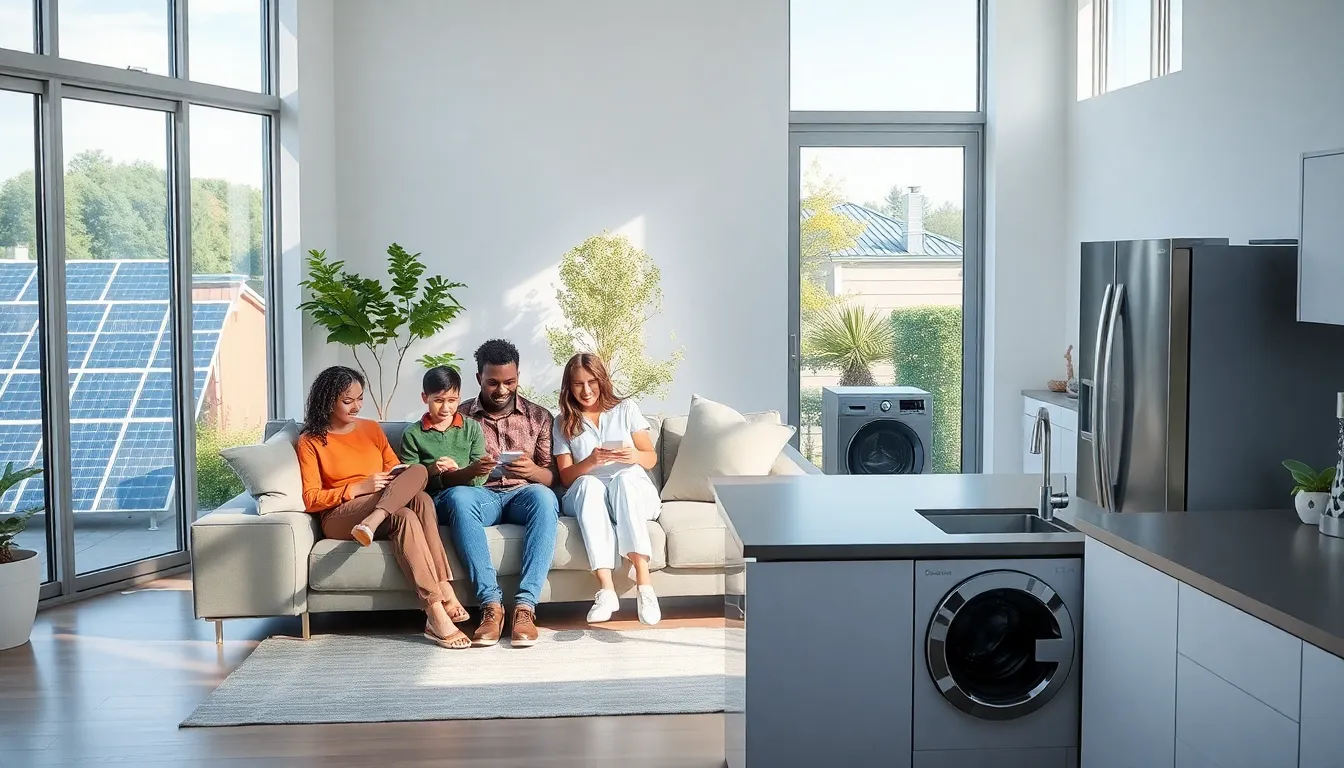
In the quest for efficient living, smart energy management systems have taken center stage. These systems offer homeowners the ability to monitor and control their energy consumption like never before. Imagine adjusting your thermostat from your smartphone while lounging on the couch, or receiving alerts when energy usage spikes due to an errant window left ajar. Innovations such as these not only simplify our lives but also slay energy waste like a knight in shining armor.
Solar Panel Advances
Solar technology continues to advance at lightning speed. Modern solar panels are sleeker, more efficient, and downright smarter than their predecessors. With innovations like bifacial solar cells and solar shingles, harnessing the sun’s power is more accessible and aesthetically pleasing. Plus, many new solar solutions can integrate seamlessly with smart homes, ensuring an eco-friendly energy source while adding value to properties.
Energy-Efficient Appliances
Remember when appliances were just appliances? Well, those days are long gone. Today’s energy-efficient appliances are the superheroes in every sustainable home, heralded for their ability to save energy while delivering outstanding performance. From refrigerators that use 40% less energy to washing machines that optimize water usage, these innovations help families save money and reduce their carbon footprints, all while offering the convenience of modern living.
Sustainable Urban Planning Initiatives
Green Building Practices
The shift towards sustainability isn’t limited to individual homes: entire cities are embracing the change. Green building practices have emerged as a cornerstone of sustainable urban planning. This methodology promotes the use of eco-friendly materials and sustainable design practices, resulting in structures that breathe and blend with their surroundings. Cities like San Francisco showcase buildings that boast green roofs and efficient designs, making them poster children for sustainable architecture.
Vertical Gardens and Urban Farming
Next, we turn our attention to another trend contributing to urban sustainability: vertical gardens and urban farming. These innovative approaches to cultivation benefit not only the environment but also urban dwellers who crave fresh produce. Vertical gardens are perfect for cities with limited space and can transform concrete jungles into lush oases. Meanwhile, urban farms empower communities to grow their own food, fostering a greater connection between individuals and the source of their nourishment.
Waste Management Innovations
Zero-Waste Lifestyle Products
In the waste management realm, zero-waste lifestyle products are taking the lead. Gone are the days when convenience reigned supreme at the expense of the planet. Now, consumers can choose alternatives made from sustainable materials, such as reusable shopping bags and biodegradable packaging. Innovations in product design empower individuals to embrace a zero-waste mindset and minimize their environmental impact while still enjoying the comforts of modern life.
Composting and Recycling Technologies
On the technological side, composting and recycling innovations are game changers. Advanced composting systems, such as aerated bins and vermicomposting setups, make it easier than ever for households to recycle organic waste. Meanwhile, technology in recycling facilities has improved significantly, allowing for more efficient sorting and processing of materials. Embracing these innovations not only helps manage waste but also showcases a commitment to sustainable living.
The Role of Community in Sustainable Living
Grassroots Movements and Local Initiatives
Communities play an essential role in fostering sustainable living. Grassroots movements and local initiatives unite people with a common vision to create change. Initiatives like community gardens, volunteer cleanup projects, and neighborhood recycling drives demonstrate the power of collective action in promoting sustainability. These grassroots efforts inspire others, amplify actions, and build camaraderie among neighbors.
Educational Programs and Workshops
Besides, educational programs and workshops are crucial for teaching the importance of sustainable practices. From local schools incorporating environmental science into their curriculum to workshops hosted at community centers that focus on DIY eco-friendly practices, knowledge-sharing elevates awareness and inspires participants. As communities become educated on sustainability, they lay the groundwork for a greener future.